



A former Trump official has been tapped to help lead spyware maker NSO Group, which was recently acquired by new owners.
David Friedman, who was ambassador to Israel in Trump’s first administration, has been appointed to the role of executive chairman of NSO Group, which is now reportedly owned by a group of outside investors led by Hollywood producer Robert Simonds. Friedman also reportedly once worked as Trump’s bankruptcy lawyer.
NSO Group announced Friedman’s appointment on Sunday, saying that NSO’s three founders no longer have any stake in the firm.
Friedman told the Wall Street Journal that he is focused on winning business with U.S. government agencies.
“If the administration, as I expect they’ll be, is receptive to considering any opportunity that might keep Americans safer, it will consider us,” Friedman told the Journal.
Although NSO Group is known for developing advanced spyware, such as Pegasus, it has been dogged by lawsuits and reports that its software has been used against members of civil society, journalists and opposition leaders worldwide.
A California federal judge recently ordered NSO to no longer use the Meta-owned messaging platform WhatsApp as a vector for mounting its attacks. WhatsApp had sued the company after it targeted some 1,400 WhatsApp users with Pegasus in 2019.
NSO Group has said that the order to stop targeting WhatsApp could put it out of business. Friedman told the Journal the court’s decision is a “meaningful setback.”
NSO is appealing the decision and has asked the court for a stay.
The spyware firm will continue operating from Israel, where it was founded, “under the full regulatory authority of the Israeli Ministry of Defense, as it expands its global outreach and seeks to resume operations in the United States,” NSO said in a press release.
Recorded Future
Intelligence Cloud.

No previous article
No new articles
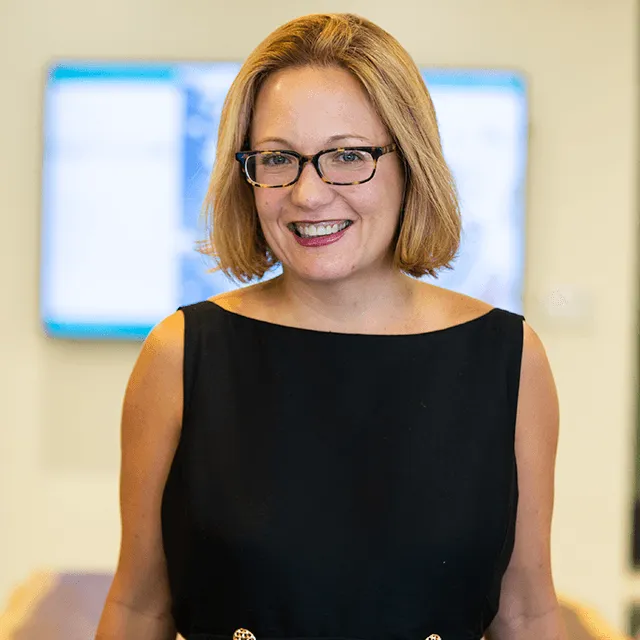
Suzanne Smalley
is a reporter covering privacy, disinformation and cybersecurity policy for The Record. She was previously a cybersecurity reporter at CyberScoop and Reuters. Earlier in her career Suzanne covered the Boston Police Department for the Boston Globe and two presidential campaign cycles for Newsweek. She lives in Washington with her husband and three children.


